No. 3 Group Main Force Bomber Command

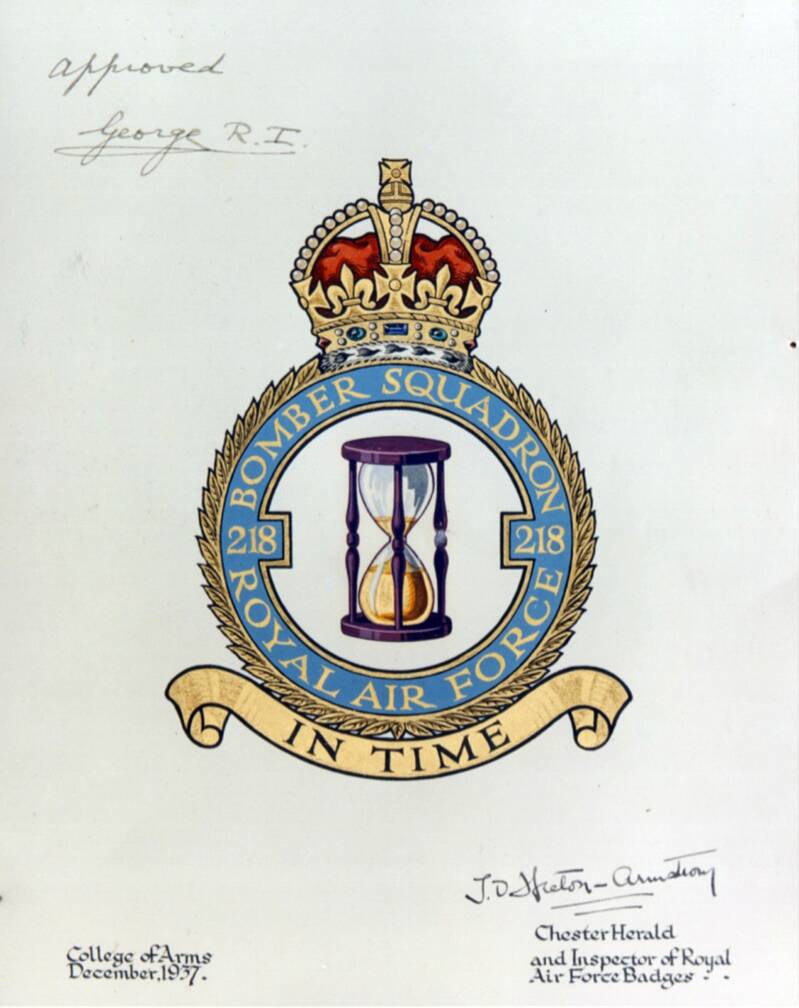
Badge: Three swords in pile, the points upwards, and each enfiled by an astral crown.
Motto: "Niet zonder arbyt" ("Nothing without labour").
Authority: King George VI, August, 1947.
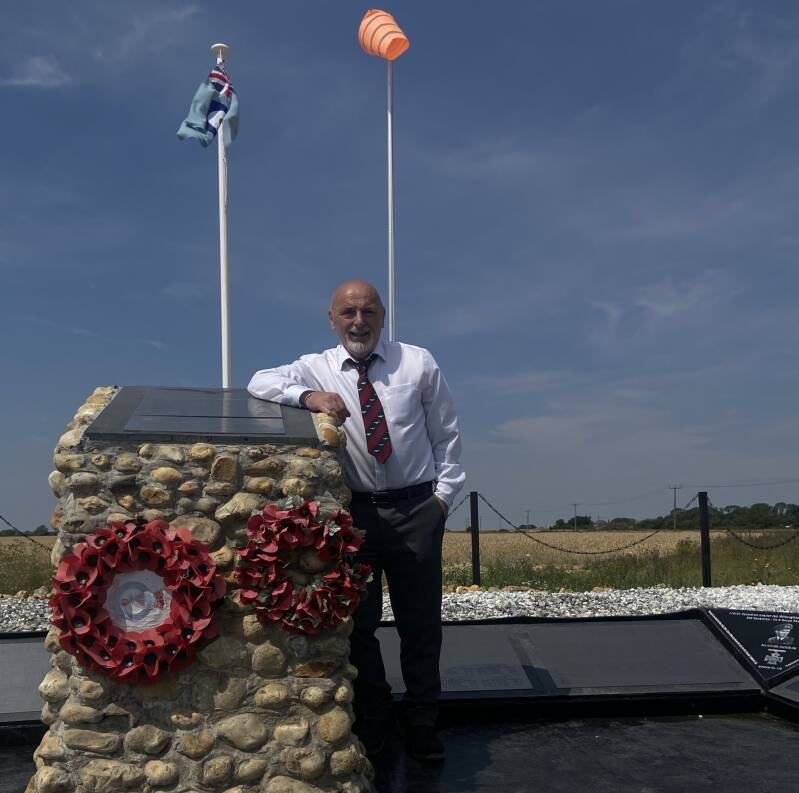
Photograph top right Author, and No. 3 Group Bomber Command Historian Steve Smith.
The research process involving the aircrew Losses Plaques for 218 (Gold Coast) Squadron and 623 Squadron was completed with the Support of Steve Smith, for which I am very grateful. His database was invaluable, and recognising this highlights how crucial his contribution was to the project's success. Thanks to Steve Smith's amazing database, his input was second to none.
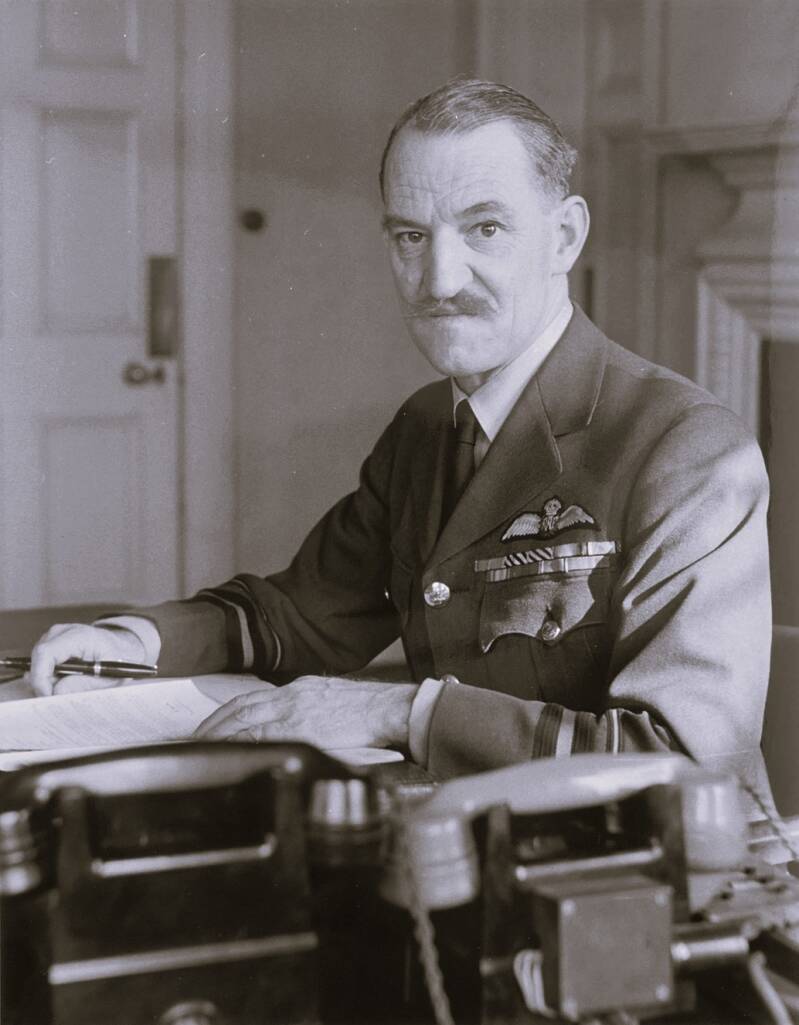
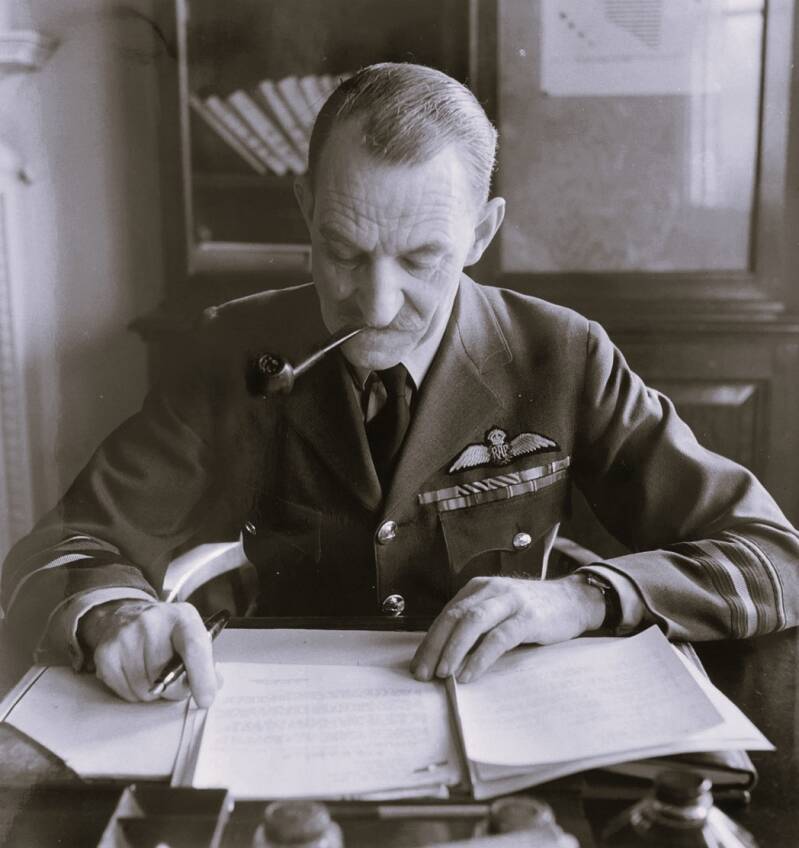
Air Vice Marshal Richard Harrison CB. CBE. DFC. AFC. Air Officer Commanding No. 3 Group, Bomber Command (27 February 1943 to 27 February 1946)
218 (GOLD COAST) SQUADRON, VICTORIA CROSS POSTHUMOUSLY AWARDED TO
1458181 Flight Sergeant Arthur Louis Aaron. RAF. VC. DFM. Age 21.
Died from his injuries on 14 August 1943. Aaron's headstone Eperlath reads:
"An Example Of Courage Seldom Equalled But Never Surpassed".


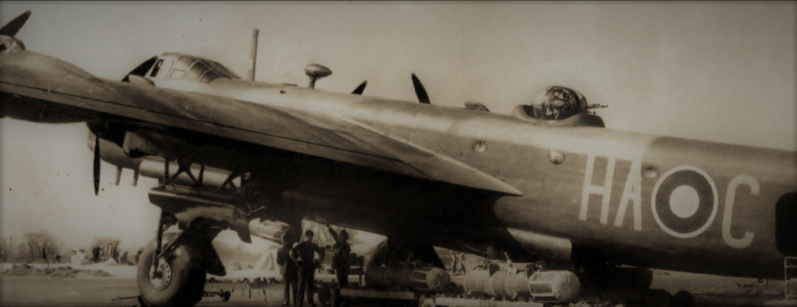
Above Photo: Stirling EF452 HA-'O' Orange after crash landing at Bone airfield (now Annaba), Algeria, North Africa. Base personnel can be seen checking the aircraft cockpit exterior, looking at the bullet holes, which came from friendly fire, another Stirling air gunner who sadly mistook Aaron's Stirling as a fighter aircraft!
Photos by Steve Smith
No.3 Group Stirlings at RAF Downham Market, July 1942 - February 1944
The No. 3 Group Squadrons stationed at RAF Downham Market, No. 218 Gold Coast Squadron, from July 1942 to March 1944. During that period, in August 1943, one flight of the 218 Gold Coast Squadron formed No. 623 Squadron with Mk. III Stirlings. After just five months of operational service, No 623 Squadron would be disbanded in December 1943, owing to No 3 Group converting its Squadrons from the Stirling to the Lancaster bomber. From Mid December 1943 to Mid January 1944, No. 214 (Federated State) Squadron, another Stirling Squadron of No. 3 Group with a long RAF Service history, was moved to RAF Downham Market from December 1943, having just one month there, before being transferred from No. 3 Group to 100 Group, moving to RAF Sculthorpe, and subsequently were re-equipped with American Flying Fortress aircraft until May 1945. By February 1944, No. 218 (Gold Coast) Squadron's time at RAF Downham Market would come to an end, and the Squadron would be transferred to RAF Woolfox Lodge, Rutland. No. 218 (Gold Coast) Squadron converted from Short Stirlings to Avro Lancasters in August 1944. The re-equipment took place at RAF Methwold, with the squadron flying its first operational sortie in the new aircraft on the night of August 9/10 1944.

218 (Gold Coast) Squadron, November 1943, at RAF Downham Market (Wing Commander William Gordon Oldbury RAF -DFC) Photo via Steve Smith

A trio of Stirling's roar over RAF Downham Market at low level. The aircraft on the left is N3721 HA-P PETER, flown by Sergeant Ted Gough and crew. This aircraft went on to complete 62 operations, all with 218 (Gold Coast) Squadron. This aircraft went on to do 62 operations, all with 218 (Gold Coast) Photo by Steve Smith
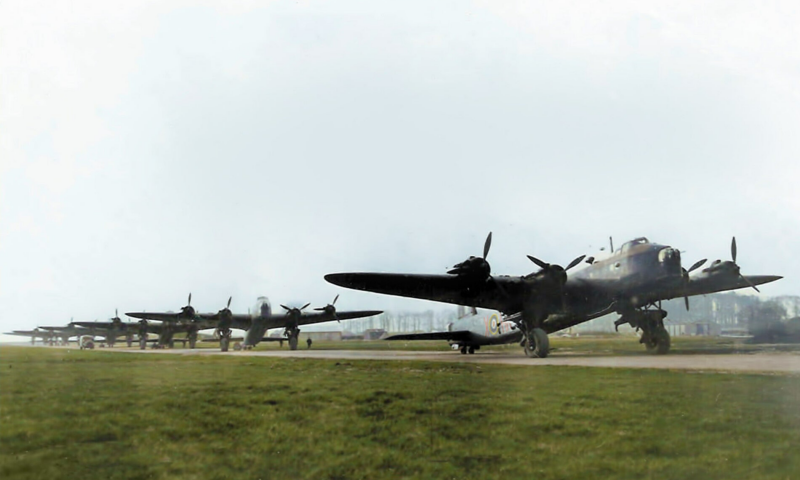
Five Stirling Bombers of No. 218 (Gold Coast) Squadron lined up along the Oakwood/Lough Cover sector perimeter track at RAF Downham Market, 1943. The track is now part of the New Road, which cuts through the airfield site very close to the Downham Market Airfield memorial. Photo taken by Photographic Section Sergeant Jack Walmsley, RAF Downham Market. Short Stirling BF450 HA X sits first in line, with five other Stirlings from the squadron behind it; these are the Stirlings before take-off. BF450 failed to return from the attack on Nuremberg, 24 February 1943, piloted by Sergeant Raymond William White, RAFVR Service No.1331366. Their service reminds us of the courage and sacrifice of those who served. (See the Remember Them Timeline sector for more details) Photo from Steve Smith.

RAF Downham Market 1943, No.218 (Gold Coast) Squadron Ground Crew/ Armourers Loading Parachute Mines into the Stirling Bomb bay. The tall man in short sleeves is Leading Aircraftman Cartwright. Photo taken by Photographic Section Sergeant Jack Walmsley, RAF Downham Market. Photo Cartwright Family Collection

218 (Gold Coast) Squadron, close-up of Ground Crew/ Armourers loading Parachute Mines (Leading Aircraftman Charles Henry Cartwright RAFVR seen here steadying a parachute mine as it is winched up into the Stirling bomb bay. Photo Cartwright Family Collection

Stirling EF353. HA -C Charlie of 2118 (Gold Coast ) Squadron is being loaded with Parachute sea mines, highlighting the crucial role of these missions. Both 218 & 623 Stirling squadrons at Downham Market carried out vital mining operations during late 1943 and early 1944 for Bomber Command, underscoring their importance in the war effort, even as the Battle of Berlin was fought by Lancaster and Halifax squadrons. Mining operations were essential to the war effort and have historically been underrecognized, underscoring their contribution. Photo Stephen . C. Smith-218 Squadron Association.
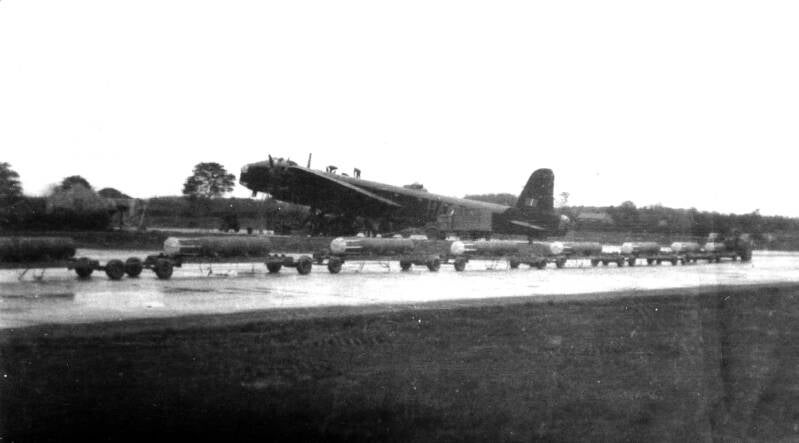
The photo above, taken at Oakwoods Dispersals in October 1943, shows 8 parachute sea mines being towed, each weighing 1,500lb and measuring 9 ft long; a Stirling could carry 6 Parachute sea mines. The Stirling, a large four-engine bomber, was capable of carrying a maximum bomb load of 14,000 lbs, making it suitable for heavy minelaying missions. The Stirling was frequently used for "Gardening" (Minelaying) Operations after being removed from front-line bombing duties over Germany in late 1943. Photo Stephen. C. Smith-218 Squadron Association.

The aerial photo above was taken in early August 1942. It shows the dispersal area known as Oak Woods Dispersal. Throughout 1943, construction at the site included the installation of two T2 aircraft maintenance hangars. The concrete floors for both hangars were being installed and can be seen to the left or behind the wooded dispersal area. Photo: Chris Coverdale.

Above, 218 Squadron Australian Pilot Flying Officer John Frankcomb & crew in flying gear sitting on the bomb trolley in front of their Stirling bomber N3725 - HA 'D' Dog giving the V salute; they all seem in a good upbeat mood for the next operation, which will be to Wilhelmshaven, Germany, 14 /15 September 1942. Air Gunner New Zealander Sidney Ives, second from left, just 22 years old, who would not return from the operation, was killed in action along with 5 other airmen from the crew. Second pilot, Flight Sergeant Don Pearce, RAFVR, a Conversion Flight Pilot, took the photo and was also killed in action. Two of the eight-man crew survived: Air Gunner Sgt. Nathan Pell, RAF, age 20, and Wireless Operator Johnny Marshall, RNZAF. The Flight Engineer, Sgt. Valentine Picken, RAF, also from the Conversion Flight, was just 19 years old and was killed in action—photo: Ives family collection.

Photo of 218 (Gold Coast) Squadron Stirling BK688 HA 'A' Apple May 1943 at RAF Downham Market. To the right of the aircraft is the framework of one of two T2 hangars being constructed at the Oakwood dispersal. Photo Stephen . C. Smith-218 Squadron Association.

Austin Motors Built Short Stirling Mk. III BK727 IC-S. This aircraft, allocated to 623 Squadron, arrived at the squadron on 13 August 1943, and completed six operations with the squadron before ending her days at No.6 Maintenance Unit in November 1944. In the photo, the proud ground crews are in a rare photo. Photo Stephen .C. Smith-218 Squadron Association.

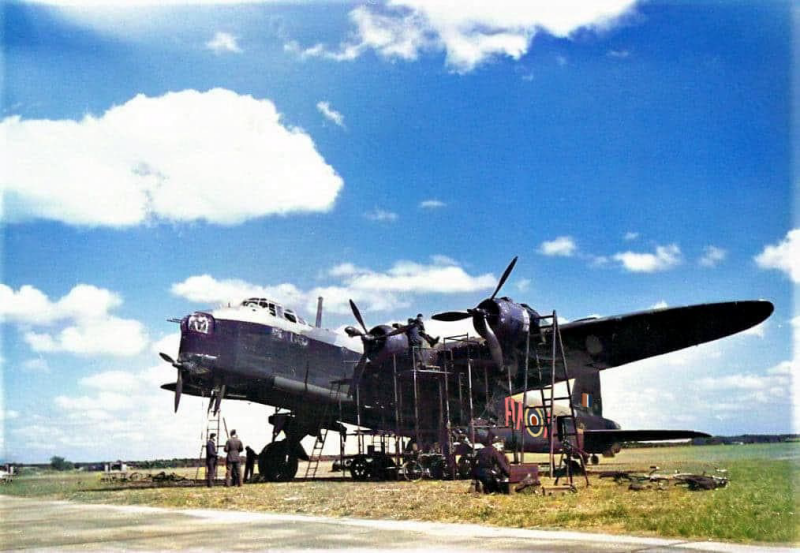

A view from the aircrew locker rooms in 1998, as a Ghostly image of a Stirling bomber BF338 of 218 (Gold Coast) Squadron HA 'Q' Queenie relives the horrors of 20/21 August 1943 Op: Minelaying (Sweet Peas)! Captain Flight Sergeant Leonard Hartley and his crew all died apart from Air Gunner Sergeant. John Keith Young, RAFVR, managed to bale out and was captured as a Prisoner of War (P.o.W.). The ghostly apparition of Stirling did return, and again, but as a phantom caught in the circle of the spirit world, waiting to be told it's okay, chaps, we recognise your sacrifice, "Good Job".
Every Bomber Command airfield has a collection of Ghostly tales, supernatural encounters and unexplained happenings. And if you wander around the derelict buildings and visit the runway dispersal points, you can still hear the phantom sounds of aircrews, aircraft, the grounds crews, and the sound of a spanner falling to the ground from an aircraft fitter. They are prophetic warnings from beyond the grave, restless spirits apparently drawn back to the places of their demise. Former RAF Downham Market still hosts many such spiritual events from time to time, drawing on wartime memories of those who either revisit the base or are trapped in its spiritual world.
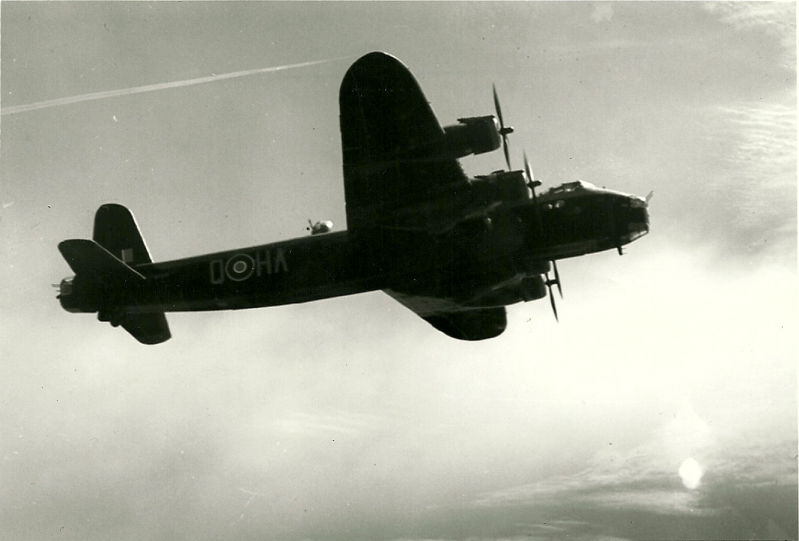
Throughout the summer of 1942, No.218 (Gold Coast) Squadron, equipped with their Stirling Mk I's. Later, the Mk IIIs were transferred from RAF Marham to RAF Downham Market in early July that year. The Squadron adapted well and became operational again within a week of moving bases. By the end of December 1942, sadly, their efforts were reflected in the loss of 29 aircraft. Of those 29 aircrews, 61 airmen were killed in action, 32 airmen were captured as prisoners of war, and 16 airmen were recorded as safe.
In 1943, the weather was bitter and cold; it was the main obstacle, with strong winds and rain causing all operations to be put on stand-down at RAF Downham Market. Flurries of Snow meant more problems for the base personnel to deal with. N.C.O. fitter Sergeant Albert Whyman, an aircraft fitter first class with 218 Gold Coast Squadron, recalled how these winter conditions directly impacted daily operations and morale. 'Wintertime at the base was a real test for everyone. 20 tons of road salt were brought by lorry from Kings Lynn to the base and spread throughout the Station to address the ice problem on the ground. I kid you not, some of the dispersal points were, at times, like ice rinks. We got some of the Kites (Stirlings) defrosted and eventually ready for the aircrews to carry out training flights. The bitter North East winds cut through the base, causing incredible snow drifts, and when a gale blew across the airfield, stuff would be blown across the aerodrome. Our Flight Sergeant would say to us in his Yorkshire tone, 'If it ain't pinned down, lads, you will lose it.' But through these hardships, the team's camaraderie kept spirits up, reminding us we were in it together.
I lived in a hut on the edge of the woods (Oakwood), and during heavy snow, the drifts around the airfield and the hut looked like a scene from an Arctic expedition. No joke, the snow drift on the airfield was crazy, often reaching waist height or more. A short walk away from our billet hut was a disused farmhouse near B for Beers dispersal point. During the worst winter nights, many of us would sleep there; it was a bit cramped, but warm and dry. We used straw bales to board up the windows and doors, creating a makeshift shelter against the cold. The biting cold and relentless snow made every day a struggle, and the isolation often weighed heavily on us. Despite the harsh environment, social activities like singing and playing music helped lift spirits and foster camaraderie, making the tough nights more bearable. The towering snowdrifts and biting cold vividly illustrate the hardships of winter faced by those at RAF Downham Market.
The first operation at RAF Downham Market in 1943 took place on 8th January, when 9 aircrews got the call. The ground teams, Fitters, Riggers, and the backroom Technical staff worked together in the harsh weather conditions. 9 Stirling bombers were made ready, air-tested, fuelled, and had payloads installed, which was short of amazing. There was a real sense of overwhelming pride among the ground staff.
The main runway and the perimeter track leading from Oakwoods dispersal were patrolled and cleared from snow and ice, and the aircraft were regularly de-iced and kept fit for purpose. It was a tough job for all, especially in freezing temperatures. This highlights the immense effort required to maintain operational readiness of the Bomber Aircraft during winter.
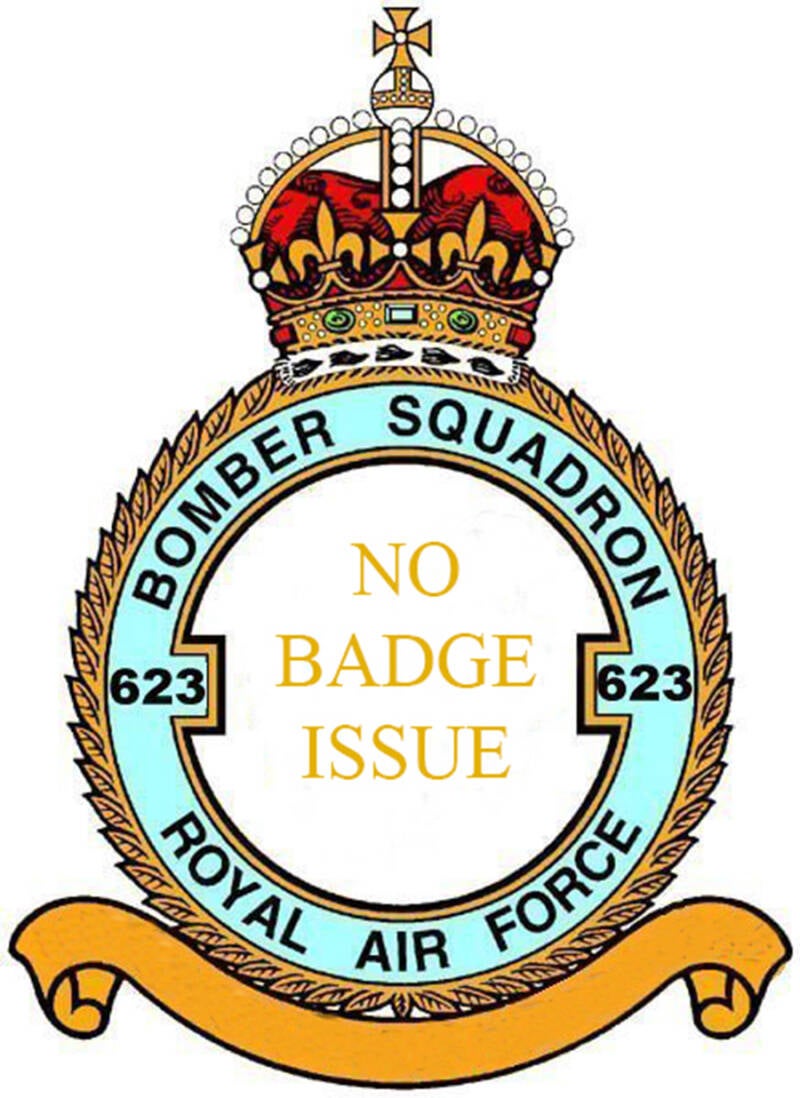
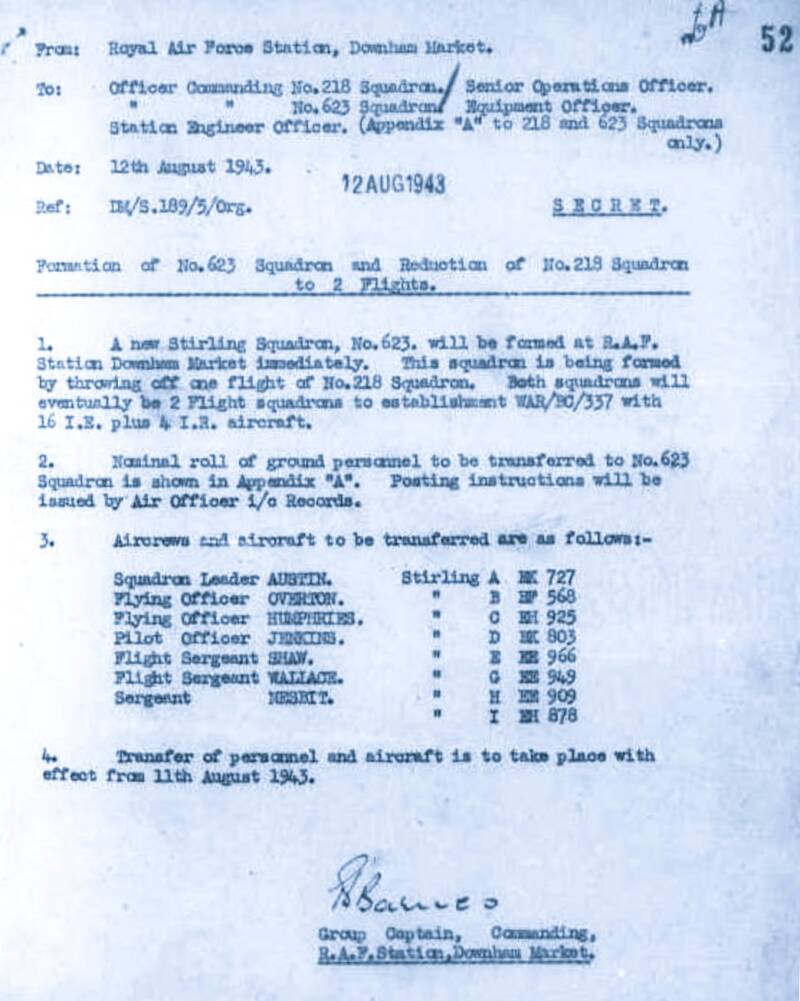
No.623 Squadron was formed on 10 August 1943 at RAF Downham Market in Norfolk, England, emerging from the legacy of 'C' Flight of No. 218 (Gold Coast) Squadron. The squadron was created from 'C' Flight of No. 218 (Gold Coast) Squadron, and was equipped with Short Stirling Mk. III bombers. The Squadron had a brief operational life, flying night raids and minelaying operations before being disbanded just four months later on 6 December 1943. No Squadron crest was ever issued due to its very short life span.
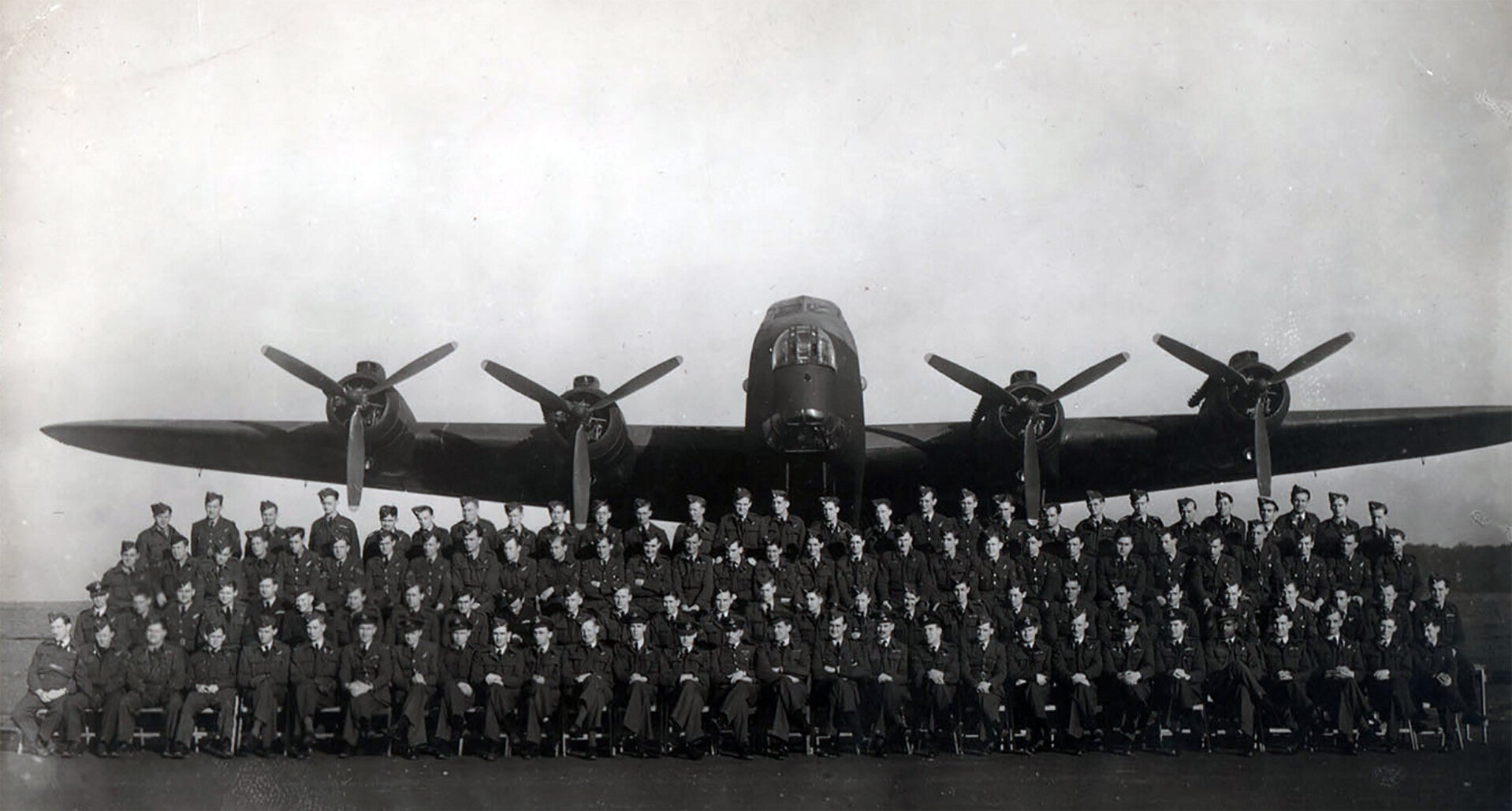
623 Squadron at RAF Downham Market, October 1943 with Squadron Commander (Wing Commander Geoffrey Trevor Wynne-Powell RAFVR - DFC)
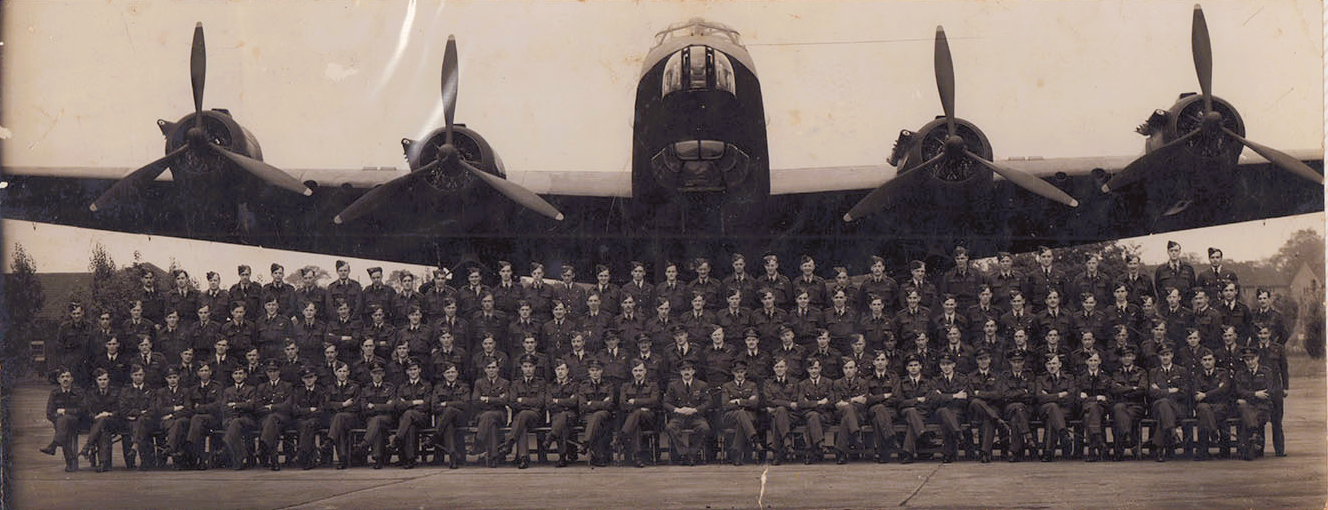
214 (Federated Malay State) Squadron 1943, with Squadron Commander Desmond John McGlinn RAFVR
Keeping them Flying
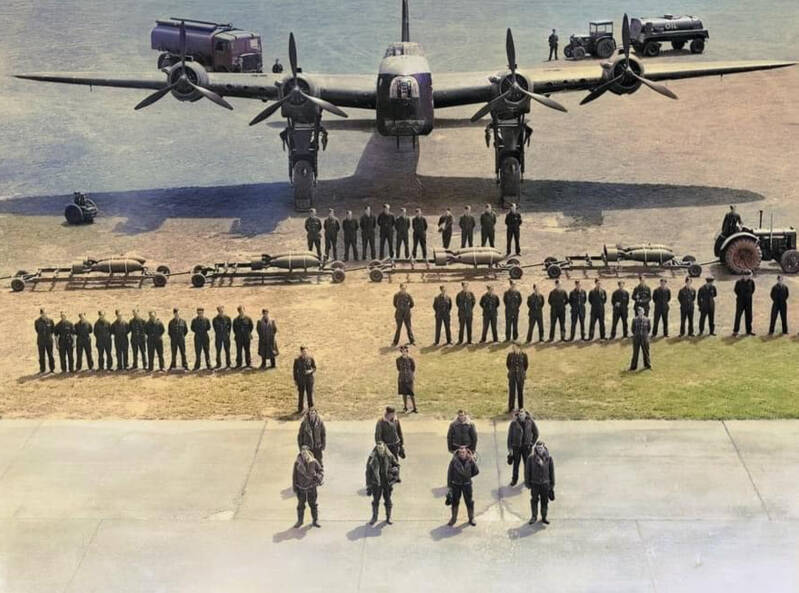
When you think about it, it always makes me wonder how much of a workforce it took to keep a Stirling bomber serviceable—reminding us of the hard work and dedication of those who kept the aircraft flying, which can deepen our respect and admiration. Historian for 218 & 623 Squadrons, Stephen C. Smith. "To keep a Shorts Brothers Stirling Bomber serviceable at any Bomber Command airfield during the Second World War required a lot of regular maintenance and dedication. It's estimated that up to 40/45 ground personnel are required for each aircraft." (See the photo above.
" The Stirling had specialised trades to manage the aircraft's four Bristol Hercules radial engines, along with a complex mechanical, electrical, and hydraulic system of the aircraft. To break this down to really get a sense of it.
Fight Mechanics per aircraft: 4-6 men were responsible for maintaining the four engines; they handled daily spark plug overhauls and changes, as well as routine engine checks. If an engine required replacing, it would take this team several hours in wartime conditions.
Air Fitters: 5 men tasked with repairing the fuselage, aircraft controls and dealing with wear of the landing gear.
Electrical & Instrument Mechanics: 6 men maintaining navigational aids, radios, and the aircraft's complex electrical system.
Armourers: 6 men who handled defensive armament (Nose, dorsal, and tail turrets) and loaded the bombs/mines.
Other dedicated ground teams included Hydraulic specialists, Fuel Systems, and Oxygen, plus the important general-duty boys whose job it was to clear and clean up the aircraft, with around 10 men per aircraft.
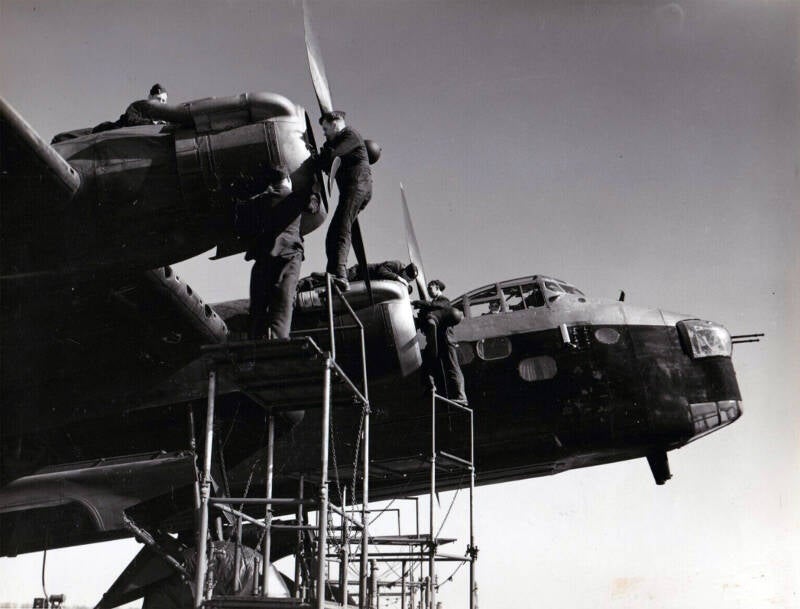
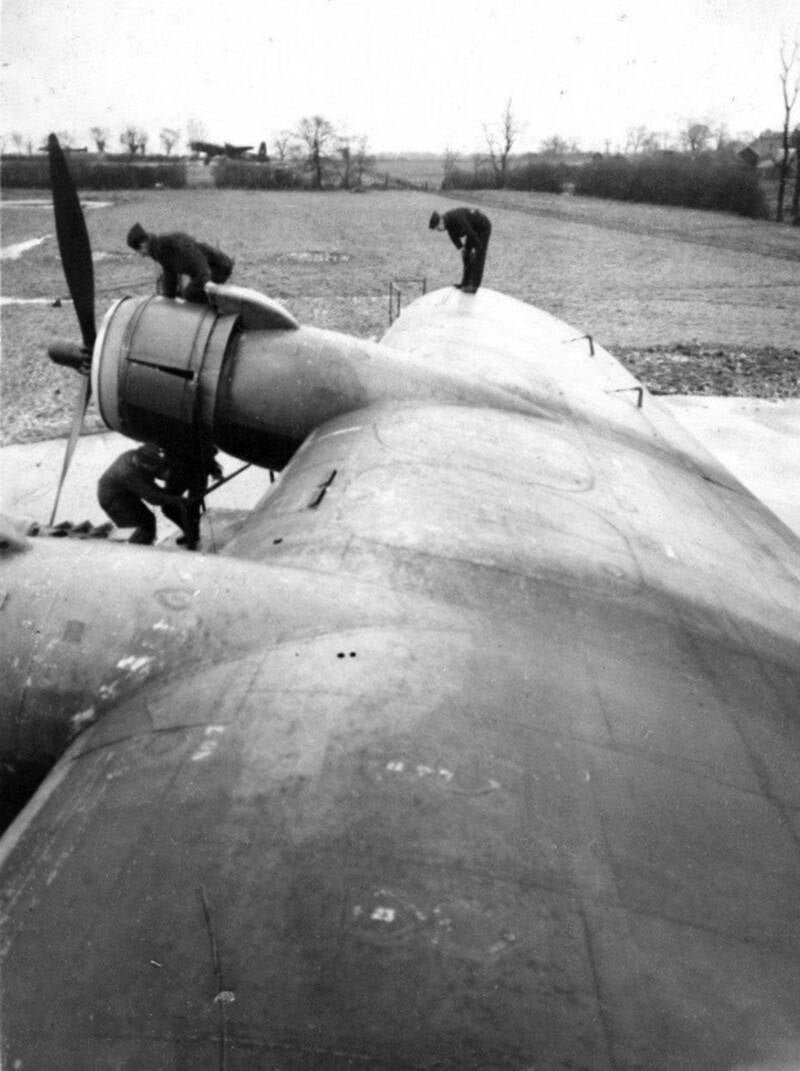
In summary, the routine turnaround of a Stirling Bomber between operations, refuelling, rearming, and safety checks required intensive, around-the-clock shifts by the ground crews in all weathers to ensure the bomber could make its next sortie.
Ground Crews & Armourers at work


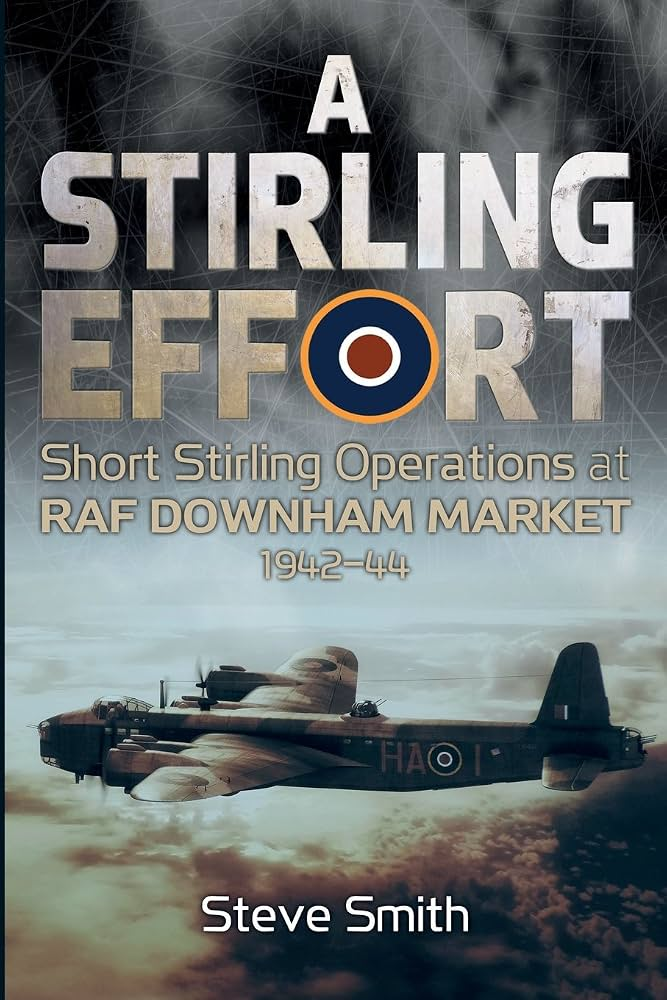
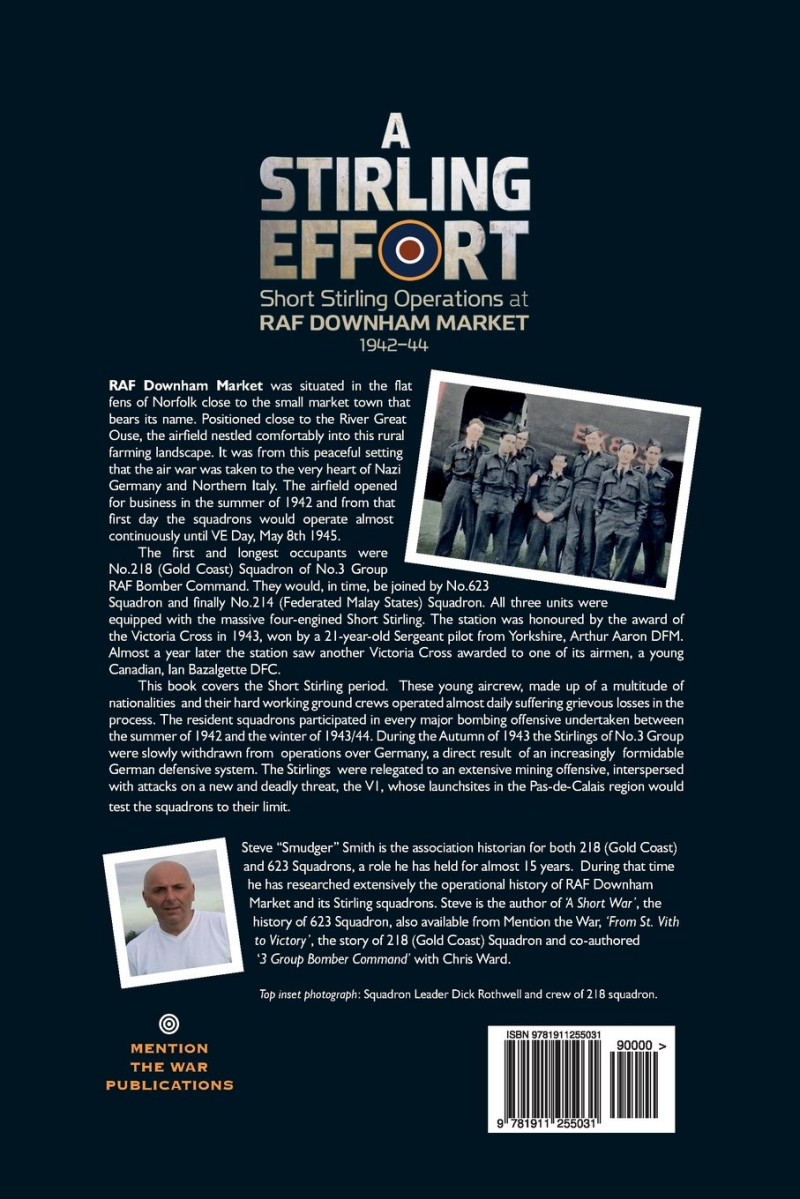
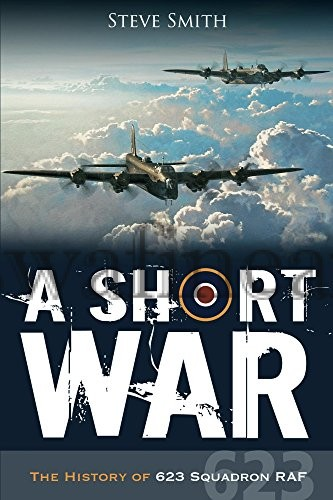
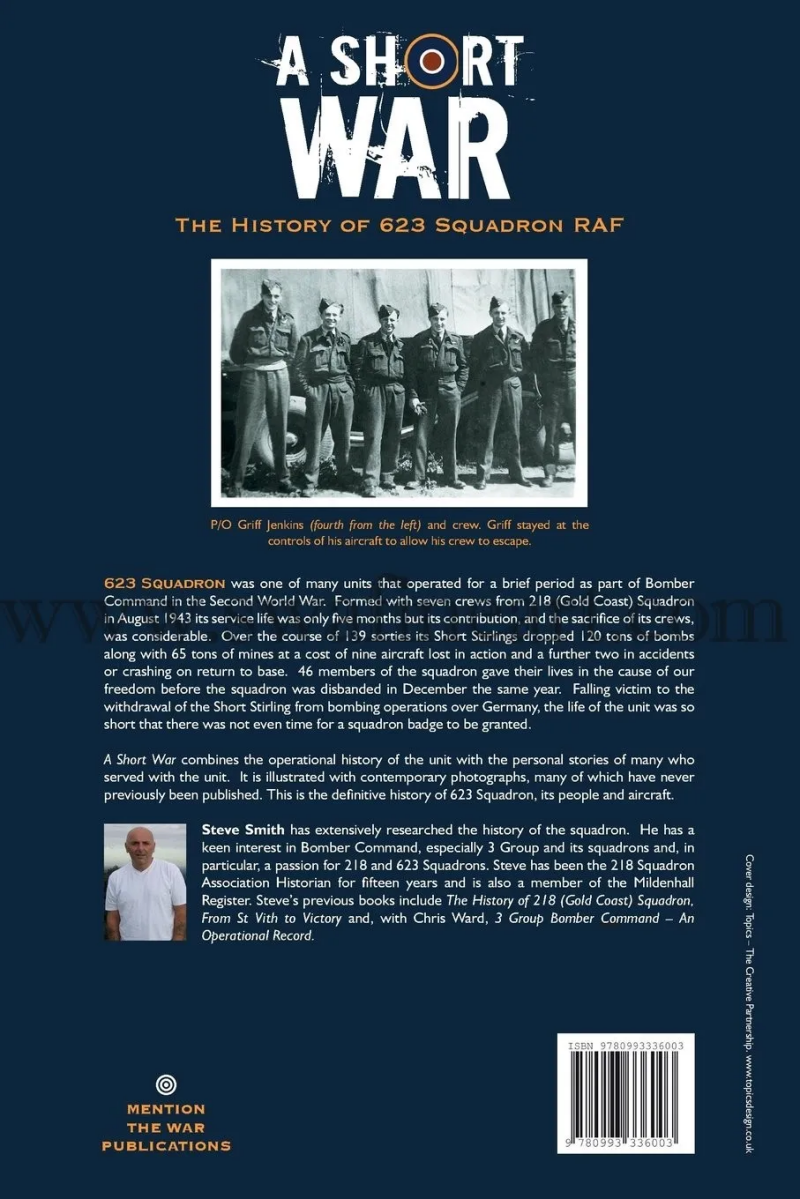
Books by Author & Historian Steve Smith
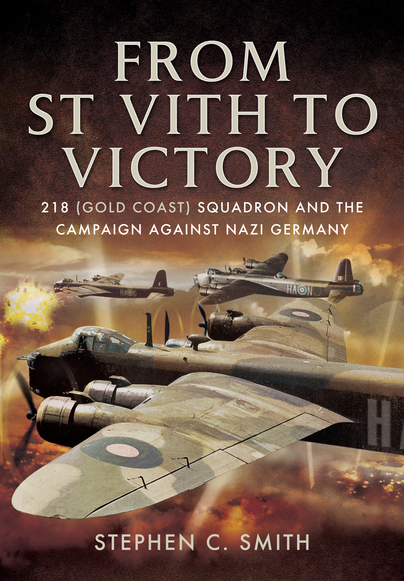
Compiled from a variety of sources and first-hand accounts, this book is an authoritative record of the part played by No.218 (Gold Coast) Squadron during the bomber offensives of World War II. The squadron's activities are described in detail, offering a unique insight into the lives of those involved and saluting the important role that No.3 Group and No.218 Squadron played in Bomber Command's ultimate victory, highlighting their vital contribution to history.
No. 218 Squadron was formed a few months before the Armistice, which brought the Great War to a conclusion. It was disbanded shortly after, leaving the squadron dormant until the rise of National Socialism in Germany. The squadron was reformed in 1936 and spent the remaining peacetime years honing its skills, skills that would be tested from the very first day of the bomber offensive against Germany to the very last.