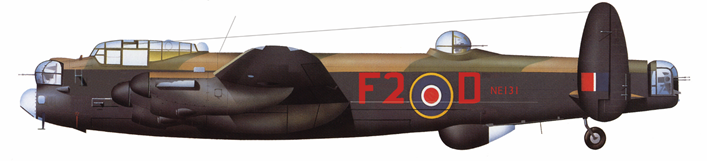
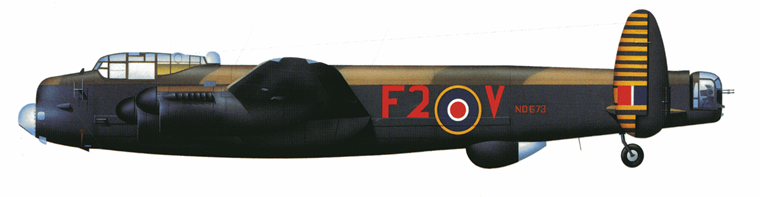
No. 8 Group Path Finder Force

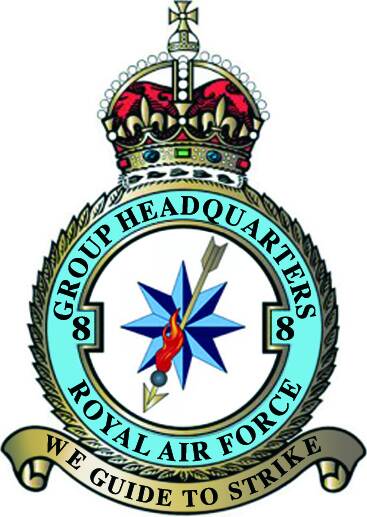
Badge: The eight-point star and flaming arrow symbolise the group's identity and Navigation, inspiring pride and belonging. The eight-point star represents the Group's number and astro-navigation, while the flaming arrow signifies the pathfinder aircraft's target markers, highlighting their vital roles. The mono PFF crest is the original wartime design, and the colour one is a new design by the PFF museum at Wyton, reflecting a modern style.
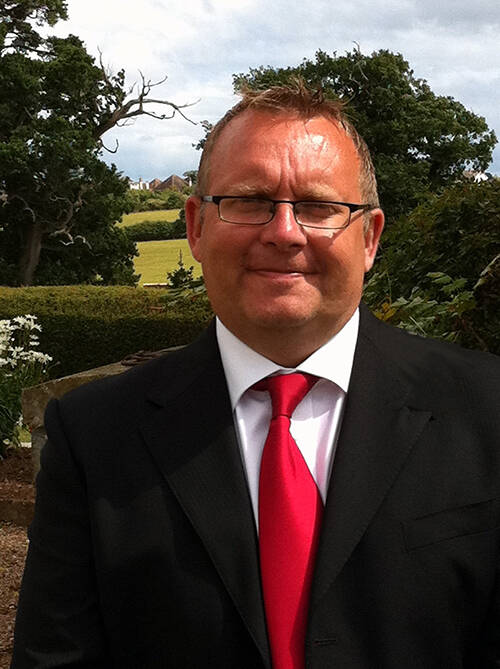
Chris Coverdale, creator of the Downham Market Airfield Cairn memorial. Chris is also a historian and Author covering No. 8 Group Path Finder Force, 1942- 1945.
The book, Pathfinders 635 Squadron Definitive History March 1944 - September 1945, was first published back in 2014, via book sponsor Mark & Lynda Eves of Bexwell Kitchens Ltd. Currently out of print, copies are hard to find. Bexwell Kitchens do hold a few copies of the book. The new updated edition is being put together and will be available on a print-to-order basis. For this book service, please get in touch with author Chris Coverdale through the Contact page on this website.

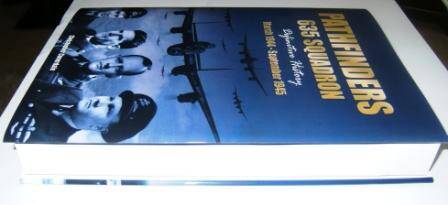
This book is a Definitive Operational Record of the squadron's history, featuring personal accounts from many of the aircrews, ground crew, and backroom staff. These stories help the audience feel trust and appreciation for the thoroughness of the records, making the history more credible and engaging. Listed in detail are the day-to-day records of the squadron through the setup of No. 8 Group PFF. The book records are from family records and official squadron and Group records. It draws on original photographs, aircrew logbooks, and the personal records of ex-servicemen and women interviewed by the author throughout the 1980s, 90s, and early 2000s who were stationed with the squadron. This book includes original airfield maps, illustrations, diagrams, and many candid photos that record the squadron's history. Every operation is recorded with full aircrew line-ups, and there is a record of dedication losses. "For the airmen who never made it home from operational duty, we must never forget they had no tomorrow; instead, they unselfishly gave it to us."
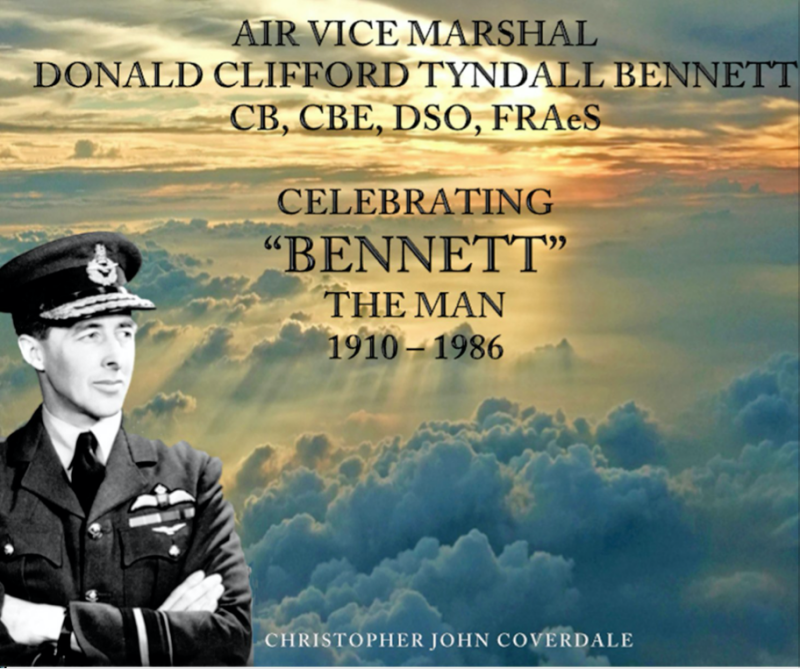
"Celebrating Bennett The Man" is a photographic collection of rare photographs from the Bennett family collection. The photos in the book were selected very carefully; I believe they enhance his incredible career and his importance in military history. This book uncovers Bennett's Pioneering achievements, of which there are many, emphasising his influence on aviation and military strategy. I have carefully selected information from interviews by Donald Bennett, his war diaries, and memories from his lovely wife. First-hand accounts from Bennett's official flying records and from his private papers make this a real gem based on fact as it happened. I know that to date most of us will remember him as "Pathfinder Bennett"; however, as you will discover in this book, he was much more than the Royal Air Force Commander we know and admire incredibly. Bennett had flown some 5,444 air miles, demonstrating significant operational expertise that made him stand out among his peers and contributed greatly to his leadership.
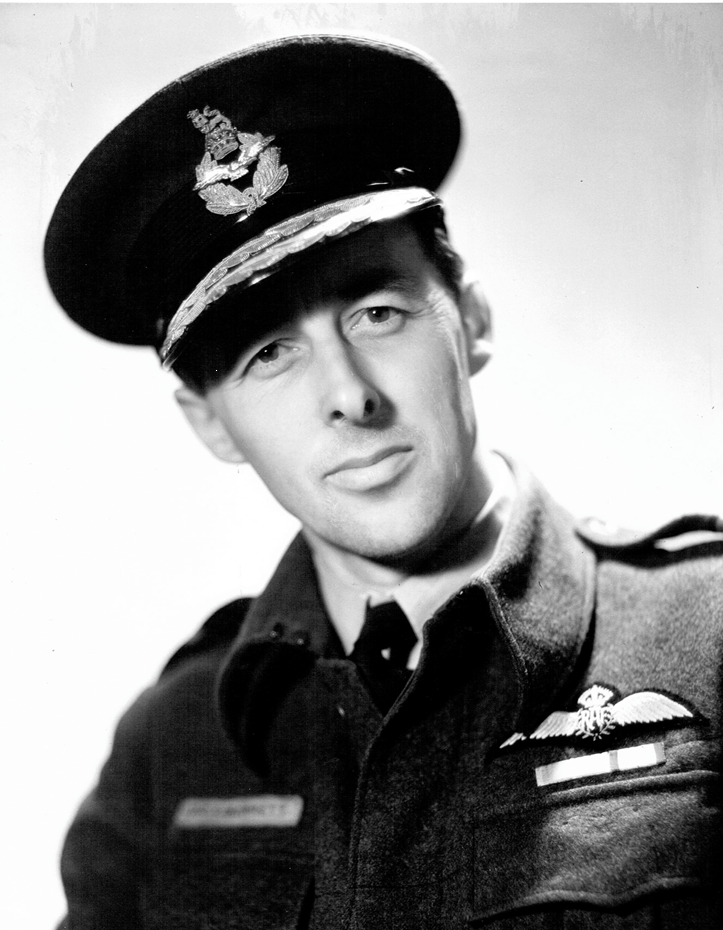
AIR VICE-MARSHAL DONALD CLIFFORD TYNDAL BENNETT C.B. C.B.E. D.S.O. FRAeS
By leading No. 8 Group PFF from July 1942 to May 1945, Air Vice-Marshal Donald Clifford Tyndal Bennett demonstrated strategic leadership, inspiring admiration among history enthusiasts and researchers interested in WWII aviation history.
No. 8 Group Path Finder Force (PFF) was officially formed on 15 August 1942 as a target-marking group to improve Bomber Command's very low bombing accuracy. Australian Aviator, Navigational Pioneer, and Pilot Donald Clifford Tyndall Bennett was chosen to lead the 'New Force', approved by the C-in-C Bomber Command, Sir Arthur Harris. Before joining the PFF, Bennett was a Squadron Commander at RAF Leeming with No. 10 Squadron under the command of Bomber Group No. 4. At the time of his appointment to lead the Pathfinders, he was 31 years old, ma: "Wasting no time, I was busy finding out various contacts to form the pathfinder effectively from the off, all the time looking for supporters. I'd selected RAF Wyton for my Headquarters. Wyton was an exceptionally good fair-weather station, along with RAF Oakington, for various reasons. After a few words in the right channels, I got them all, along with RAF Graveley and RAF Warboys.
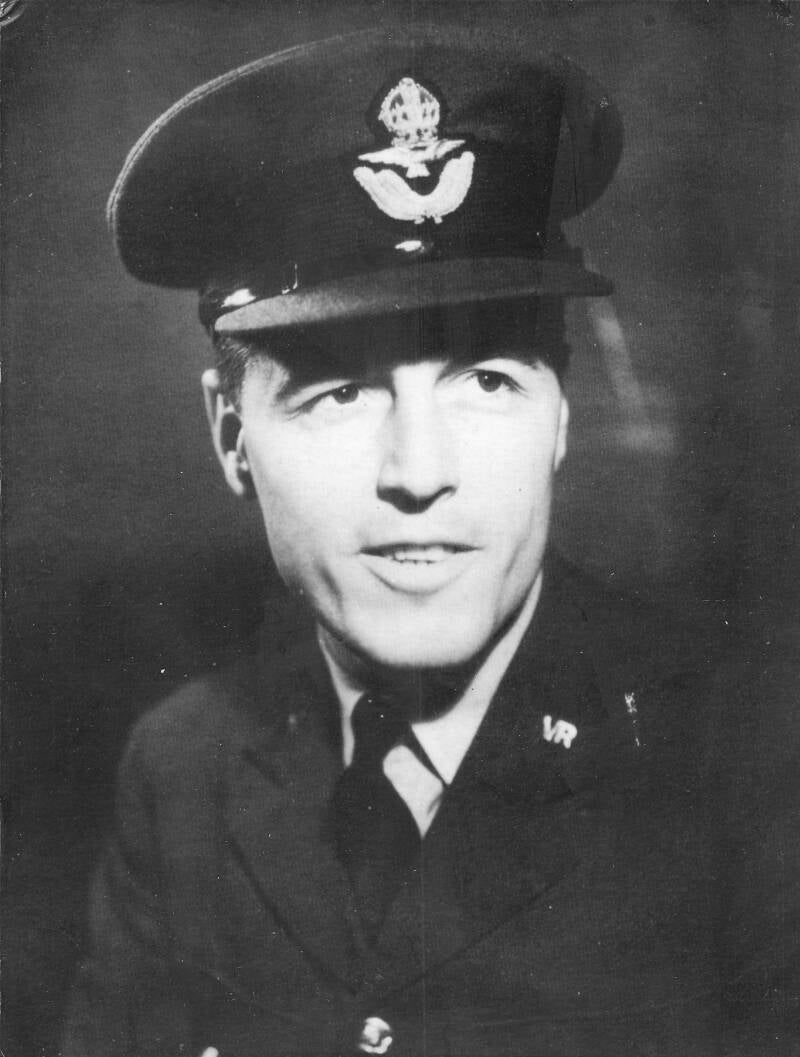
Senior 8 Group PFF Photographic Officer Squadron Leader Howard William Lees.
The aircrews that formed the Pathfinder Force throughout 1942-1945 were brave, not flamboyant; they were simply the best of the best. We had no glamour boys; mainly, the Pathfinder squadrons and the dedicated staff officers at PFF HQ worked tirelessly, maintained strict secrecy, and, apart from a Royal Visit, no press or public relations people ever came near them unless I approved it. I knew AVM Don Bennett disapproved; however, the press at the time was always on the lookout for a Pathfinder story. In May 1945, with things very different and no war to fight, I was allowed to relax slightly during the V.E. Day celebrations, and the press was allowed in under my guidance. Whenever we had an Honour ceremony at a Pathfinder Station, I was the Pathfinder's Man with the Camera. When we, that is, the No. 8 Group Pathfinder Force, were busy guiding the bombers over the target, my duty was to serve as the senior Photographic Officer for the PFF. I worked long days, sometimes around the clock, processing aerial bombing photographs.
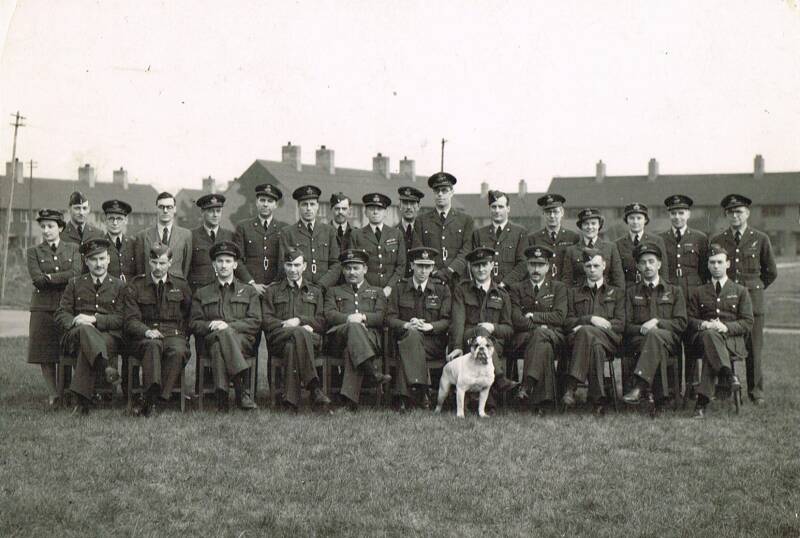
Pathfinder Headquarters at RAF Wyton, 1943. Those in the photo are in the front row, left to right: F/Lt. Rose (Equipment), S/Ldr. Sarsby (Engineering), S/Ldr. Alabaster (Navigation), S/Ldr. Hilton (Ops), Group Captain (SASO) Boyce, Air Commodore D.C.T. Bennett (AOC), W/Cdr. James Hogarth Slater (Air 1), Bulldog (Victoria), W/Cdr. Martin (SOA), F/Lt. Anderson (Bombing), F/Lt. Choholm (Gunnery)and F/Lt.Taylor (PI). Back row, left to right: S/O. Agius (Ph. Int.), F/lt. Harrison (Signals), F/O. Rogers (Signals), Mr John Jukes (O.R.S.), F/lt. O' Shea (Radar), S/Ldr. Georgeson (Navigation), F/Lt. Howard William Lees (Photographic), F/Lt. Sellars (Electrical), F/Lt. Barry (Org). F/O. Brown (Camp Com), F/Lt. Raithbone (Arm AR Air !. F/o. Barnicourt (Arm 1). F/O. Rathbone (Arm2 ) and F/Lt. JeFFeffery (Int.), S/O. Pacham (P.2.), F/O. Bannatyne (Admin) and F/O. Parrott (Int.)
The above photograph was from the Howard Lees Collection, and confirmation of those in the write-up by Howard Lees.
No. 8 GROUP PATH FINDER FORCE SQUADRON FORMATION 1942 - 1945
At the start of July [1942], Wing Commander Donald Bennett had been newly promoted to Group Captain and was facing significant strategic leadership challenges due to limited authority. This rank still constrained his ability to command more than five bomber squadrons and manage associated administrative duties. This was a critical period, as the Pathfinder Force was becoming a vital element of RAF bombing strategy, and Bennett's leadership was essential to its success. From Bennett's private papers, he notes: " Old man Baldwin, A.O.C. of No. 3 Group, Bomber Command, agreed with Harris that his Group would handle the administrative care of the new Pathfinder or Corps d ' elite, as he put it. Harris was blunt, honest and to the point, as always. Roughly, the gist of his conversation with me was that he had opposed the idea of a separate Pathfinder Force tooth and nail. Furthermore, he made his point that he did not believe it was right to weaken or upset the command. Moreover, the Prime Minister had given Harris a direct order through the Chief of the Air Staff, and since it was imposed on him, he insisted I command it, despite my relatively junior rank. I was actually in Command. Our in-depth look at the key bases I needed for the Pathfinders was somewhat of a battle, as I knew he would have to do some major pampering to his Group Commanders. My first choice was RAF Oakington, then RAF Wyton; it was bold of me to ask for those two high-class, established stations, but I gave my reason: I needed fair-weather stations. Harris then recommended satellite stations at RAF Warboys and RAF Graveley. This is where I didn't make any friends within the command, even though I had obtained them. Harris assured me that, as soon as I was promoted to Air Commodore, I would have full control of the Pathfinders, but reminded me that I would need to work very hard to form the force. It was also mentioned that at that important point, if we could prove our worth, the Pathfinders would gain Group Status with more stations and squadrons. I had also enquired about RAF Upwood and RAF Alconbury; both airfields were being converted to have concrete runways or runway extensions, but my request was not granted. But to be fair, Harris did mention the possibility of having RAF Upwood in the near future, but Alconbury had been promised to the American Eighth Air Force. My first Squadron request was for a Halifax Squadron, and my old friend AVM Roddy Carr of No. 4 Group proved a good supporter, transferring No. 35 Squadron Halifaxes to the Pathfinders. Roddy Carr was always friendly and most helpful towards me, and assured me that he would do everything possible to encourage volunteer crews from his Group. Harris pointed out that No. 5 Group's Commander, Alex Croyton, was not so keen; when I did meet Croyton, I found him to be an enthusiastic and most volatile commander who was, on the other hand, openly antagonistic. Croyton did not approve of me or of the idea of a Pathfinder Force, and he did not approve of my request for his best aircrews. As soon as I mentioned my great supporters in Lord Cherwell and Lord Beaverbrook, and my friends in D.B. Op's Whitehall, he suddenly changed his mind. Then he became perfectly pleasant about matters and told me that 83 Squadron would be transferred to the Pathfinders on the appointed day.
My visit to No. 1 Group had been delayed until February 1943, when I met an old friend, "Winkel" Rice, who had been its new Commander since February 1942. I had known him when he was a Wing Commander and the Navigation training officer at RAF Calshot during my flying boat days in 1934. In 1937, Rice became acting Commander at Calshot; he was a remarkable fellow, and I was therefore on fairly friendly terms with him. Edward Arthur Becton "Winkel" Rice, as I knew him, we had much in common, more than most in Bomber Command. His thoughts on my Commanding Path Finder Force, with good Navigation, as he put it nicely, hinged on the success of the new marking techniques using well-trained aircrews, and the key was the Navigator of every crew. He expressed no ill will toward me; he just congratulated me and gave me a few fresh ideas to consider.
In my meeting with Arthur Harris, he said 1 Group had nominated No. 156 Squadron (Wellington Squadron).
By the time I met up with "Winkle" Rice, 156 Squadron had already distinguished itself in the Pathfinders, operating with Wimpy Wellington Bombers. By January [1943], the squadron had converted to Lancasters, significantly increasing its importance in our heavy bomber operations. Rice assured me he would help recruit volunteer aircrews, and our friendship remained strong throughout the war and beyond, emphasising the squadron's vital role in our strategic efforts. One of my memorable moments with "Winkle Rice was when I was at Calshot, and I had just met my future wife, Ly, pronounced Lee. We were invited to dine with the Rices one summer. Ly and Dora got along fabulously, and their friendship with us was always pleasant.
TO BE CONTINUED..........
PATHFINDER SQUADRONS RAF DOWNHAM MARKET 1944-1945
On 20 March 1944, 8 Group Path Finder Force took over administrative duties at RAF Downham Market, a pivotal base for the RAF's strategic bombing campaign. 21 March 1944, No.635 Squadron, equipped with Avro Lancasters, was formed at RAF Downham Market, transferring aircrews from Pathfinder No. 97 (Straits Settlements) Squadron and Pathfinders No. 35 (Madras Presidency) Squadron. 635 Squadron would remain operational at RAF Downham Market until September 1945.
The squadron flew 2,225 Pathfinder sorties, with 34 lost aircraft in 189 raids. A further 7 aircraft were destroyed in crashes. On 7 April 1944, No. 571 Squadron, operating Mosquito bombers, was formed at RAF Downham Market as part of the Light Night Striking Force. By mid-April, 571 Squadron was transferred to RAF Graveley and then to a permanent base at RAF Oakington, where it stayed until the end of the war.
No. 608 (North Riding) Squadron, originally a pre-war Auxiliary Air Force squadron, had flown maritime operations from England and the Middle East between 1939 and 1944, when it was disbanded in Italy on 31 July 1944. Reformed the following day as a Mosquito Squadron within No. 8 Group's Light Night Striking Force, it flew from RAF Downham Market until August 1945, completing 1,726 sorties and losing 9 aircraft in 246 bombing raids.

Above Squadron Commander Wing Commander Alan George Seymour Cousens RAF, DSO, DFC, AFC, Czech MC with aircrews of No.635 Squadron PFF
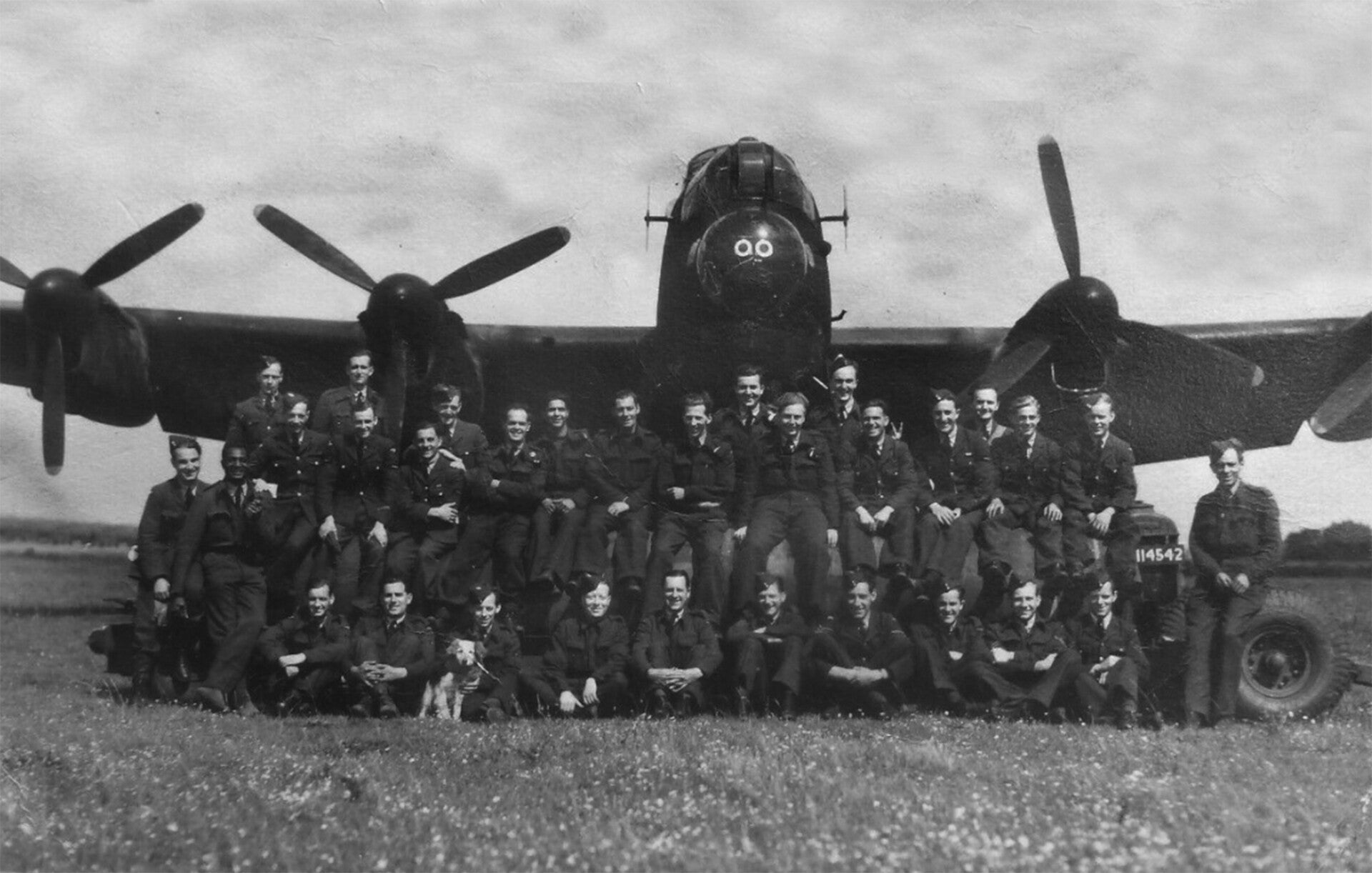
635 Squadron (Bomber Stores) Ground crews Summer 1944
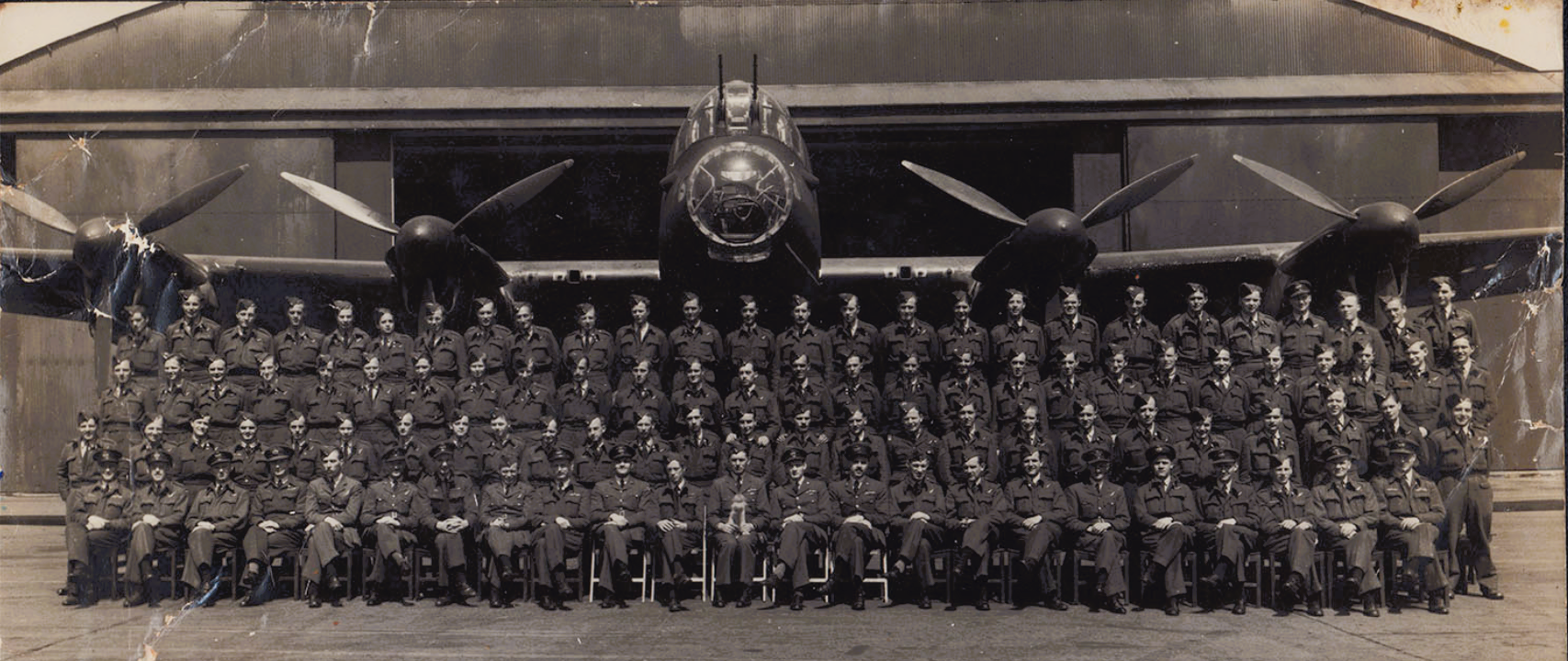
Above Squadron Commander Wing Commander W.T. Brooks, RAF. DSO. seen with his Dog (Goldie), sits proudly with aircrews of No.635 Squadron PFF
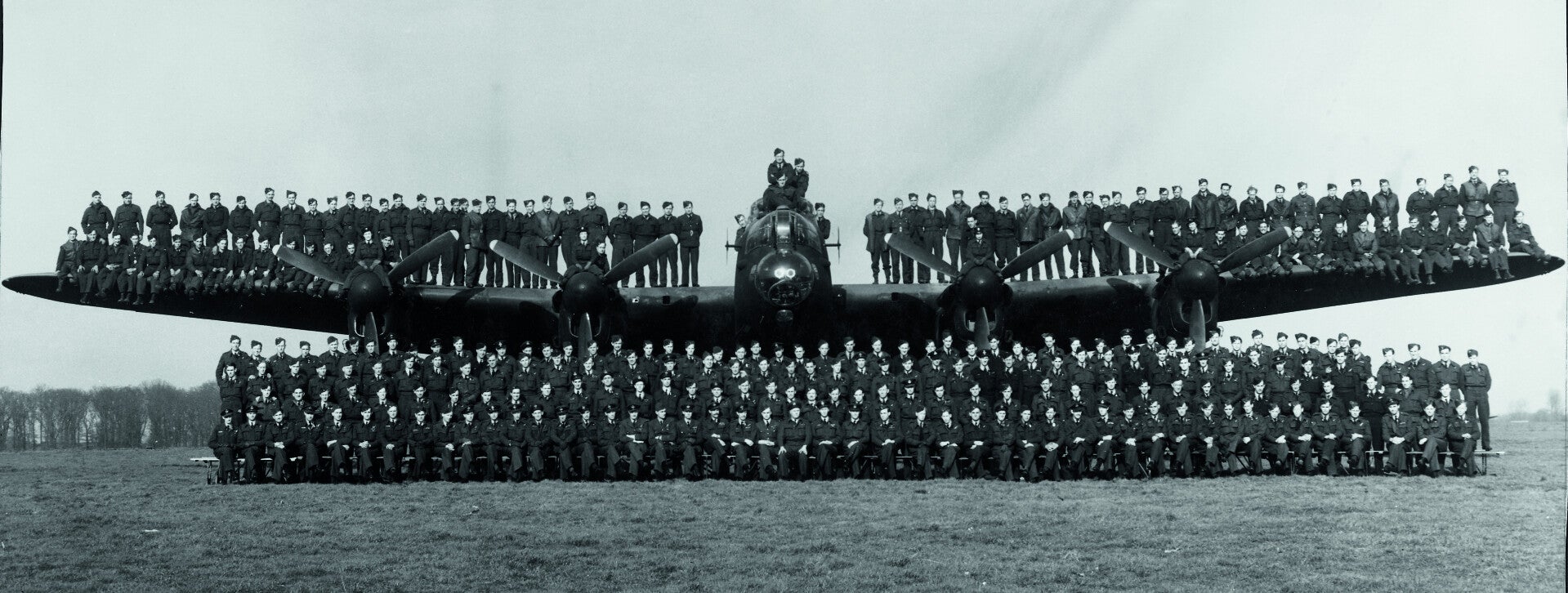
Above Squadron Commander Wing Commander Sidney (Tubby) Baker, DSO & Bar, DFC & Bar, with aircrews and ground crews of No.635 Squadron PFF
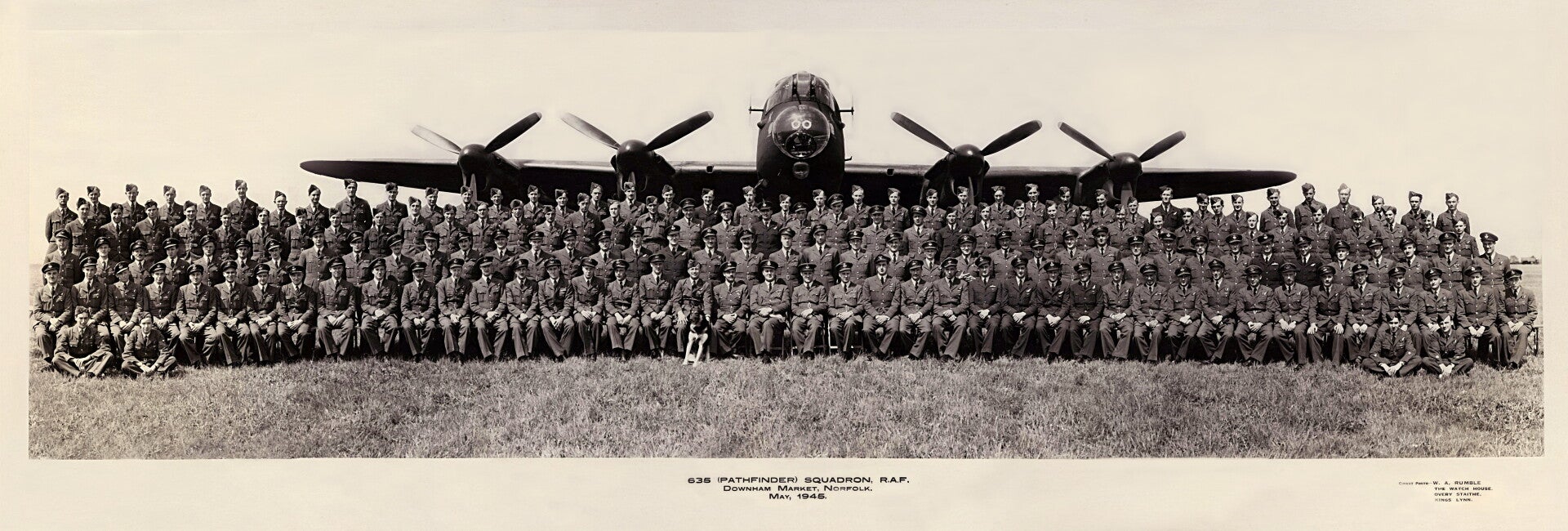
Above Squadron Commander Wing Commander James William Fordham with aircrews of No.635 Squadron P.F.F., May 1945
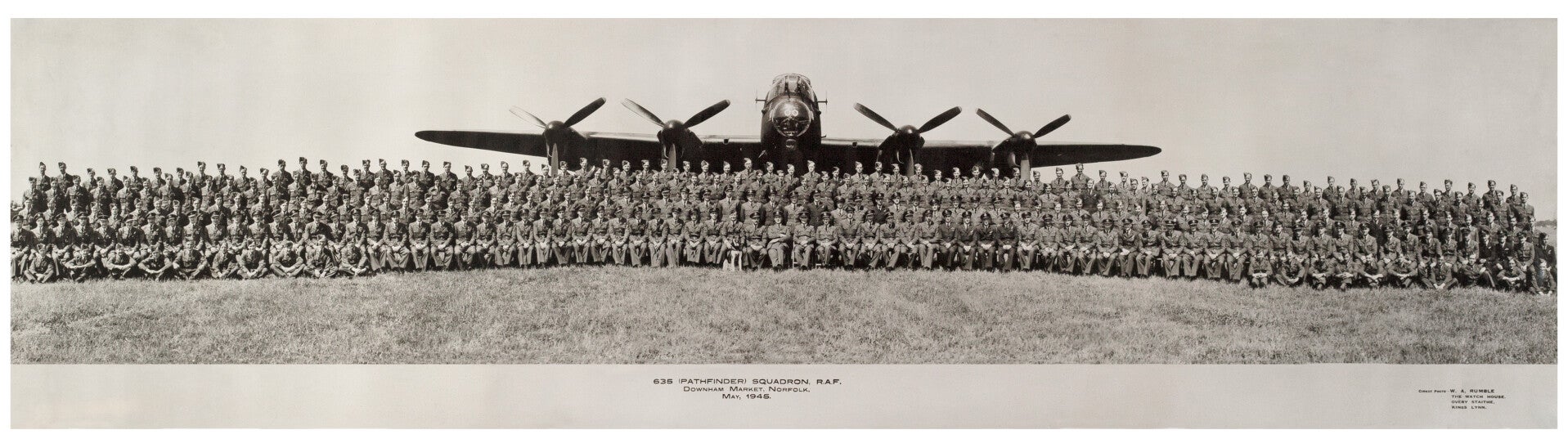
Above Squadron Commander Wing Commander James William Fordham with aircrews and ground crews of No.635 Squadron P.F.F., May 1945

571 Squadron (Wing Commander James Birkin DSO, DFC-AFC) (Formed at RAF Downham Market, April 1944)
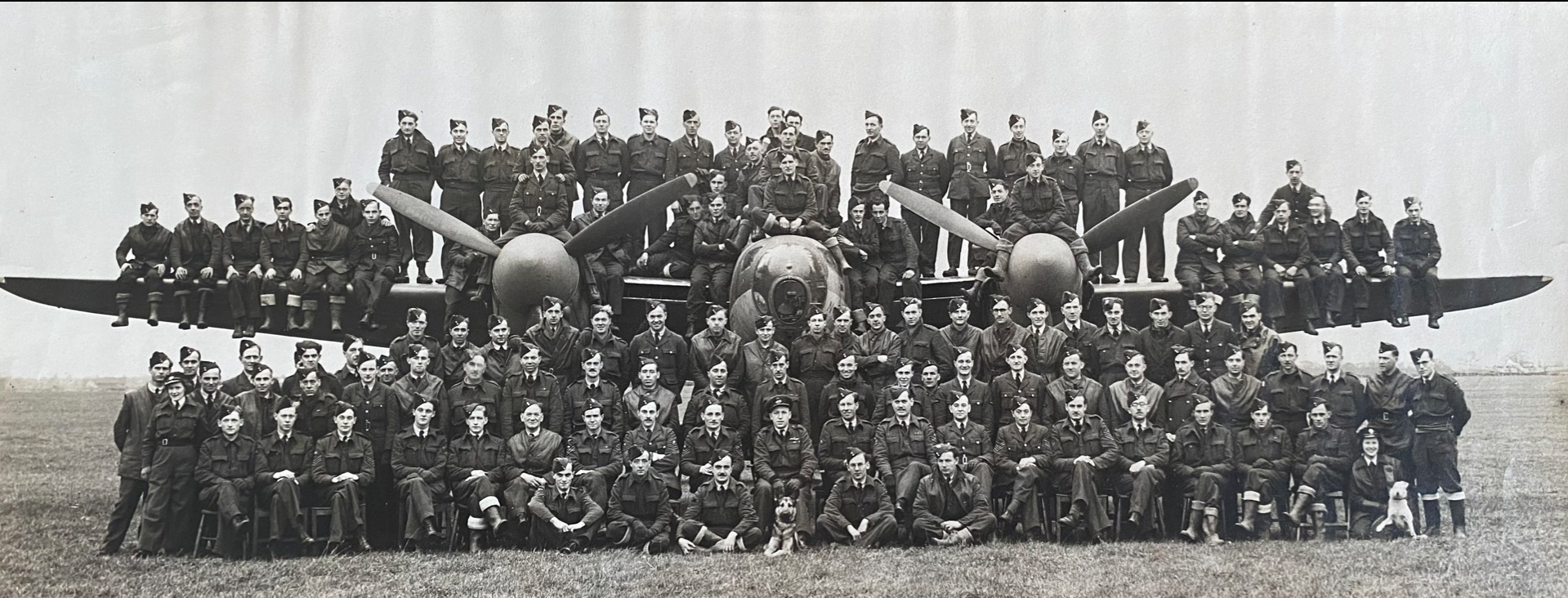
608 (North Riding ) Squadron, May 1944, RAF Downham Market
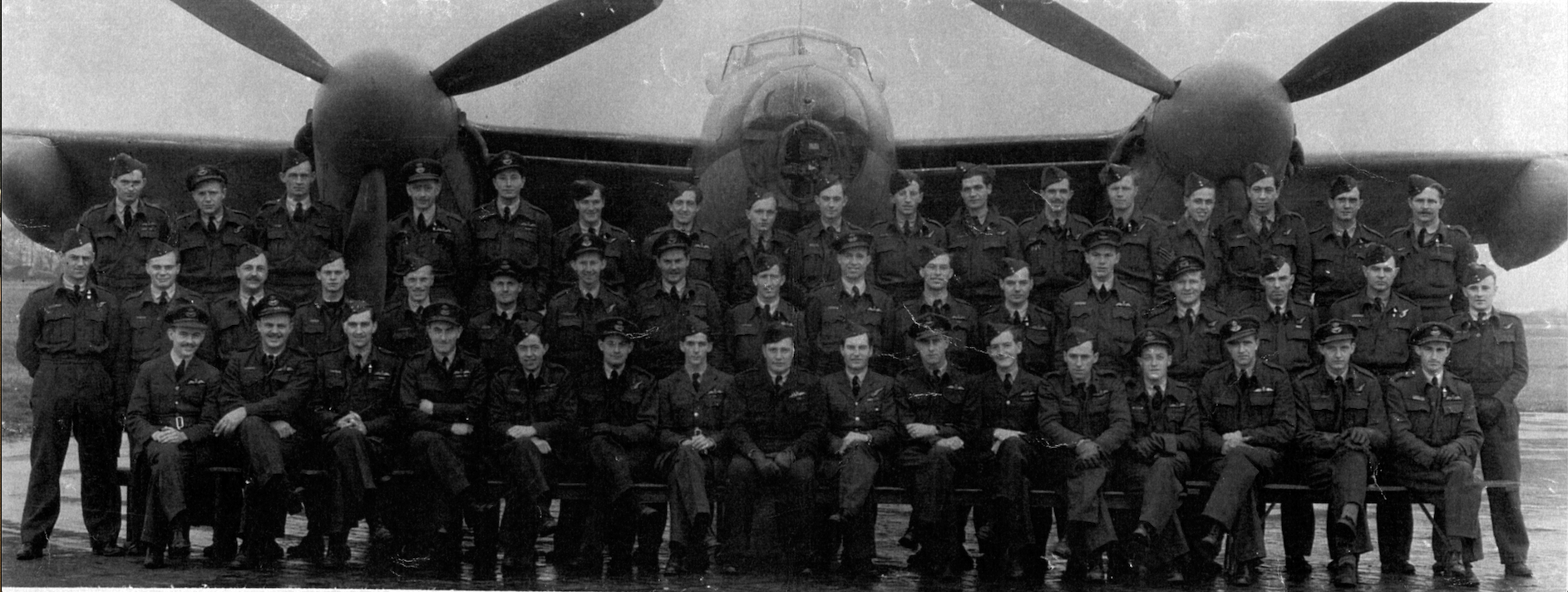
608 (North Riding ) Squadron, (Wing Commander Walter, Winston Scott, DFC, RAAF) October 1944, RAF Downham Market
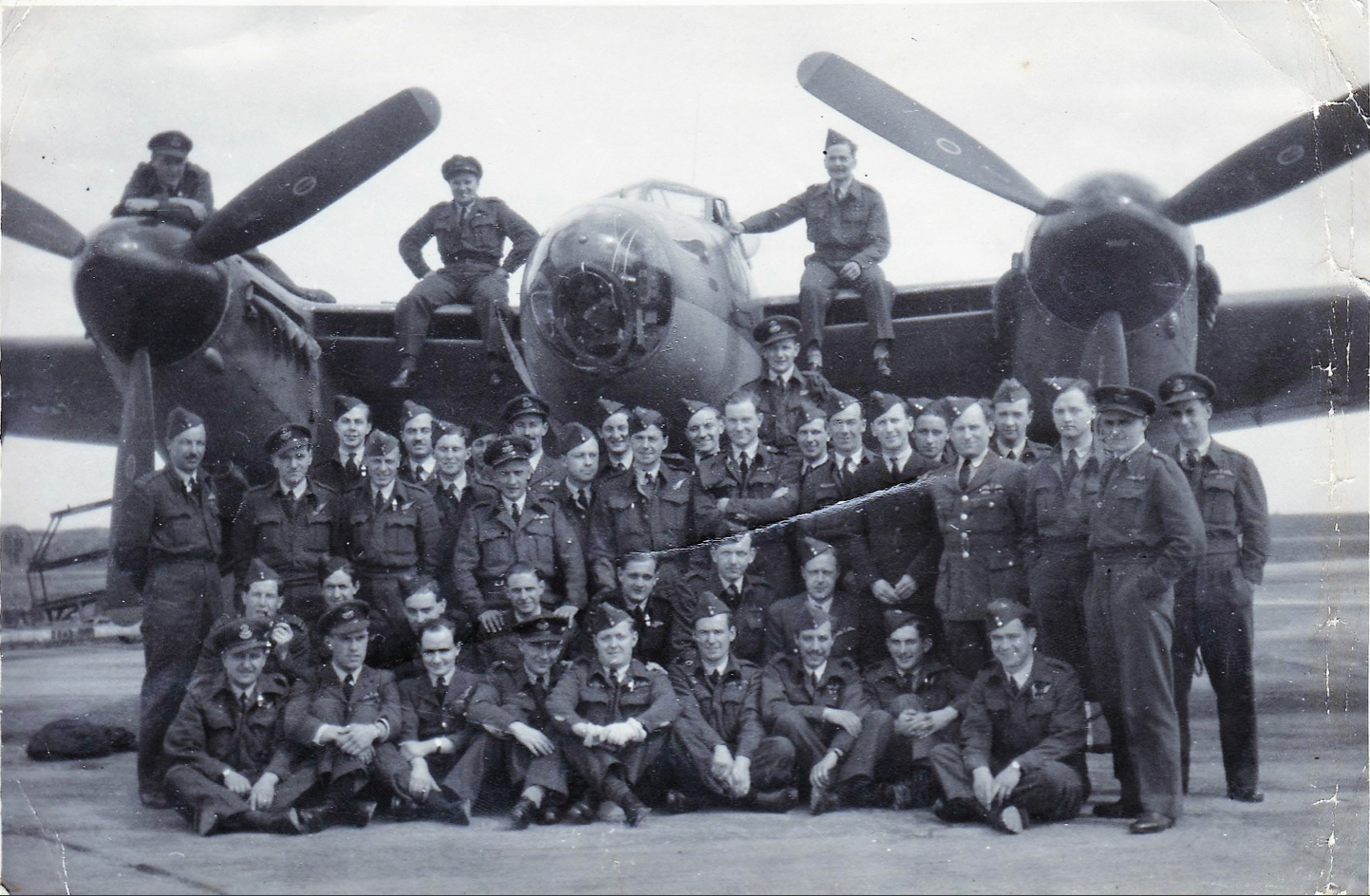
608 (North Riding ) Squadron, (Wing Commander Walter, Winston Scott, DFC, RAAF) September 1944, RAF Downham Market
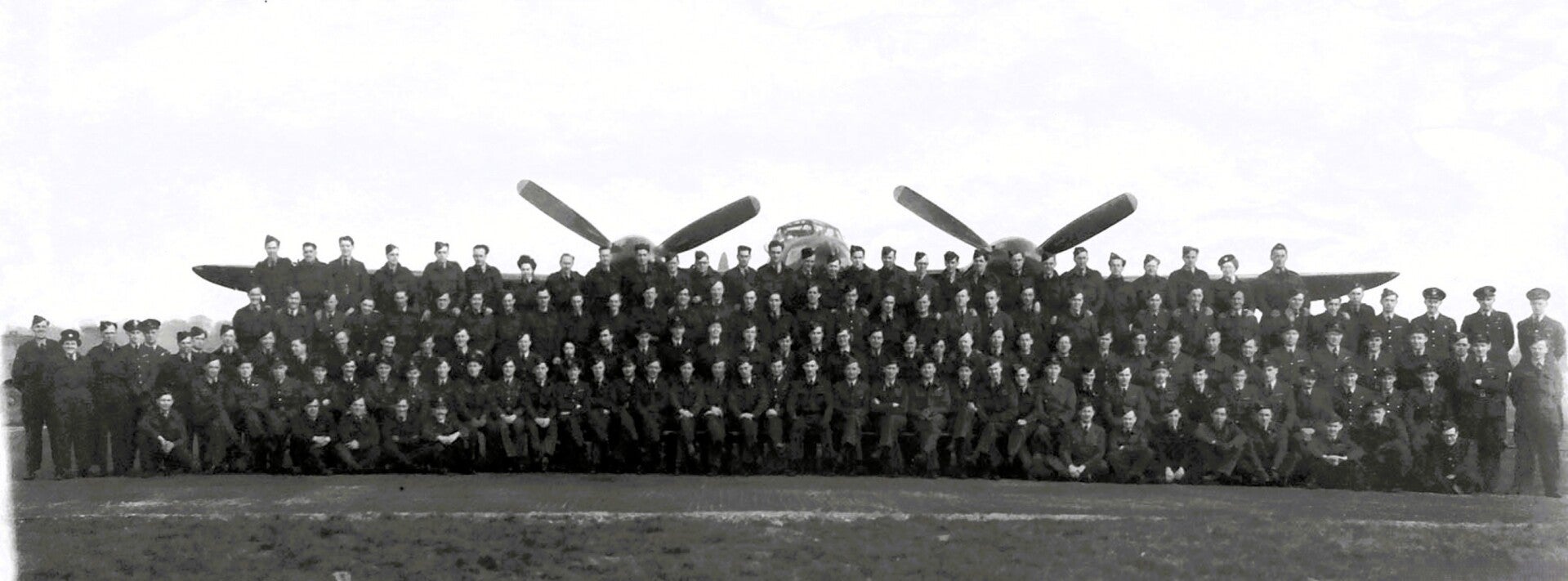
608 (North Riding ) Squadron, (Wing Commander Robert Alabaster, DSO, DFC, RAFVR) May 1945, Downham Market